
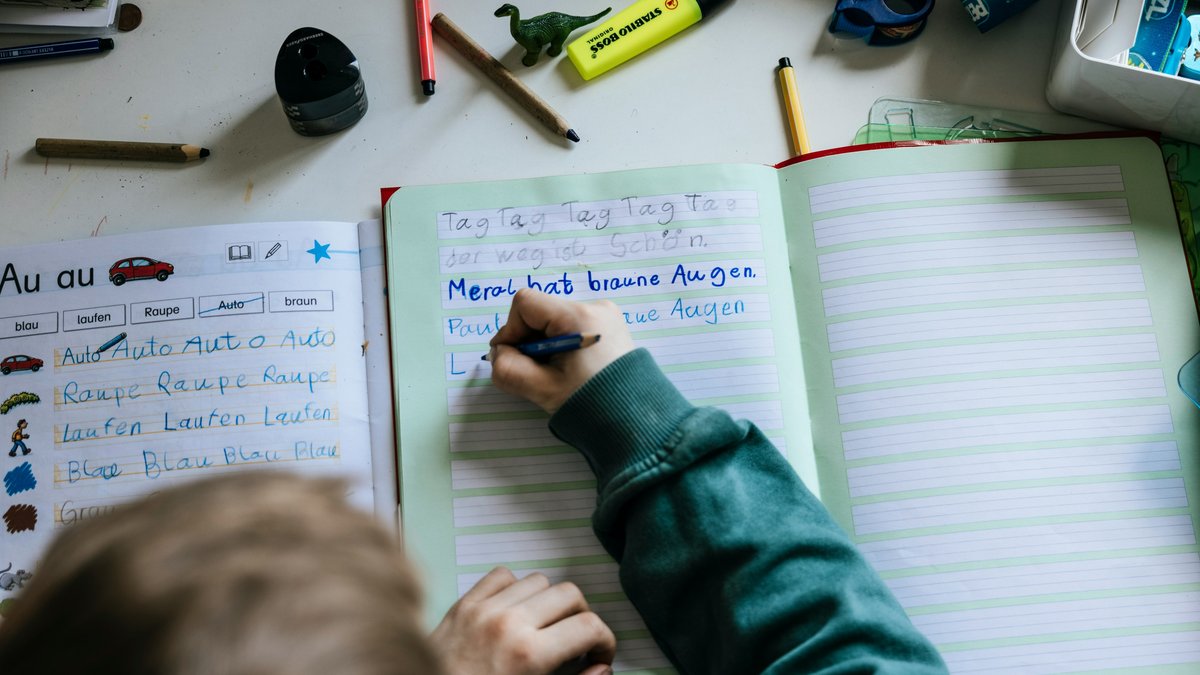
Poems get written when drafting is small enough to start and structured enough to finish. A short daily routine builds momentum without waiting for inspiration or a long free evening.
The 15 minute routine works for poetry, micro-essays, lyrics, or short experimental pieces. It produces raw material that can be revised later.
What this routine is and is not
- It is a drafting routine, not an editing routine.
- It aims for quantity of usable lines, not perfection.
- It works best when repeated daily for two weeks.
- It prevents overthinking by narrowing choices.
Minute 0 to 2: set the container
Constraints reduce decision fatigue. Choose one container for the draft.
- Form: free verse, couplets, tercets, or one stanza only
- Length: 8 to 16 lines, or 120 to 200 words
- Focus: one object, one memory, or one scene
Minute 2 to 5: generate concrete material
Abstract themes are hard to draft quickly. Concrete details appear faster and lead to meaning naturally.
- List 10 sensory details: sounds, textures, smells, temperatures, colours.
- Write 5 specific nouns from the day: kettle, bus stop, receipts, wet pavement.
- Write 3 verbs that have energy: snap, drag, tilt, sink, gather.
Minute 5 to 10: build a draft spine
A poem moves when it has a turn or a shift. Create a simple spine with three parts.
- Start: where is the reader and what is happening?
- Pressure: what changes, interrupts, or reveals something?
- Turn: what is understood differently by the end?
Write one sentence for each part. These sentences are allowed to be plain.
Minute 10 to 14: write the poem quickly
Use the spine sentences as guide rails and write straight through.
- Start with an image, not an explanation.
- Use strong verbs and concrete nouns.
- Allow rough lines. Do not stop to fix.
- If stuck, write the next sensory detail instead of thinking.
Minute 14 to 15: mark the best line and stop
Ending matters. Stop cleanly and leave a trail for tomorrow.
- Underline or copy the best line into a separate “keepers” list.
- Write one note: what to try next time, such as “make the turn earlier”.
Stopping cleanly trains consistency. Revision belongs in a separate session.
Checklist: 15 minute daily draft routine
- Constraint chosen: form, length, and focus
- 10 sensory details listed
- 5 specific nouns and 3 energetic verbs collected
- Draft spine written: start, pressure, turn
- Poem drafted straight through without editing
- Best line saved and one note left for tomorrow
Keep the checklist visible for the first week, then rely on the timer.
How to keep the routine easy to repeat
- Draft at the same time each day, even if the time is short.
- Keep a dedicated notebook or file for drafts.
- Use a timer and stop when it ends.
- Accept that some drafts will be bad. Bad drafts still produce good lines.
Next steps
Schedule 15 minutes for the next seven days and save one “best line” each day. At the end of the week, pick one draft to revise using a separate editing session.